At S McConnell and Sons, we have worked with natural stone for many years across Ireland and the UK. During this time, we have seen growing interest in sustainable stone building materials. Homeowners, architects, and builders regularly ask how stone fits with modern environmental goals. One question comes up time and again: Is stone a sustainable material?
In this guide, we share our knowledge in clear, simple language. We explain how stone is sourced, how it performs in buildings, and why it continues to be a trusted choice across Ireland and the UK.
What We Mean by Stone Sustainability
When we talk about stone sustainability, we mean using stone in a responsible and thoughtful way. Sustainability looks at the full life of a material. This includes where it comes from, how it is produced, how long it lasts, and how it can be reused.
Stone is a natural material taken directly from the ground. It does not need heavy chemical processing. Once cut and shaped, it can remain strong and useful for many decades. From our experience, these qualities place stone among materials that support long-term building needs.
Is Stone a Sustainable Material?
People often ask us directly whether stone is a sustainable material. The honest answer depends on how the stone is sourced and used. Quarrying does affect the land, and we believe it is important to be open about that. However, sustainability also considers lifespan, repair needs, and waste.
Stone buildings across Ireland and the UK often last far longer than those made from many modern materials. We regularly supply stone for repairs to structures that are hundreds of years old. Because stone lasts so long, it does not need frequent replacement, which can reduce overall resource use over time.
Stone can also be reused. Many older buildings are carefully taken apart so the stone can be cleaned and used again, supporting responsible material use.
How We Source Stone Responsibly
At S McConnell and Sons, responsible sourcing matters to us. We work with quarries that follow planning regulations and environmental guidance in both Ireland and the UK and across Europe. These quarries manage waste carefully and restore land once quarrying ends.
We also place strong value on local supply. Using stone sourced within Ireland and the UK reduces transport distances, helping to cut fuel use and emissions. Local sourcing also supports regional jobs and traditional skills.
Stone and Energy Use in Buildings
Stone has natural thermal properties. It absorbs heat slowly and releases it at a steady rate. In our experience, this can help buildings stay cooler during warm periods and hold warmth when temperatures fall.
In the climates of Ireland and the UK, this steady temperature performance can reduce the need for heating and cooling systems. Over time, this may lower energy use and running costs.
Durability and Long-Term Value
Durability is one of the strongest reasons people choose stone. Stone does not rot, bend, or weaken in the way some materials can. It performs well in the variable weather conditions found across Ireland and the UK, handling rain, frost, and wind with little change.
Because stone lasts so long, fewer repairs are needed. This reduces the demand for new materials and transport, supporting sustainable building goals from a long-term perspective.
Stone Waste and Reuse in Practice
Reducing waste is a key concern in modern construction. Stone performs well in this area. Offcuts from shaping stone can often be used for paving, walling, or aggregate fill.
When a stone building reaches the end of its use, the stone can often be recovered and reused. Reclaimed stone remains popular across Ireland and the UK for homes, public spaces, and heritage projects, helping reduce demand for new quarrying.
Stone Compared with Other Materials
Many building materials require high energy during production. Concrete relies on cement, which produces high emissions. Steel needs extreme heat, while plastic products depend on oil processing.
Stone requires less processing. It is cut and shaped rather than melted or mixed with chemicals. When long life and reuse are considered, stone often performs well compared with many alternative materials.
Health and Safety Benefits of Natural Stone
Stone does not release harmful gases or chemicals. It does not rely on synthetic coatings or adhesives. This makes it suitable for indoor spaces where air quality matters.
For homes, schools, and care buildings throughout Ireland and the UK, this helps support healthier indoor environments without added treatments.
Supporting Skills and Craft in Ireland and the UK
The stone industry supports skilled work across Ireland and the UK. Quarry workers, stonemasons, and restoration specialists all play an important role. At S McConnell and Sons, we value these skills and the people behind them.
By choosing locally sourced stone and experienced suppliers, clients help keep traditional knowledge alive while supporting local economies and reducing reliance on long supply chains.
Stone in Modern Building Design
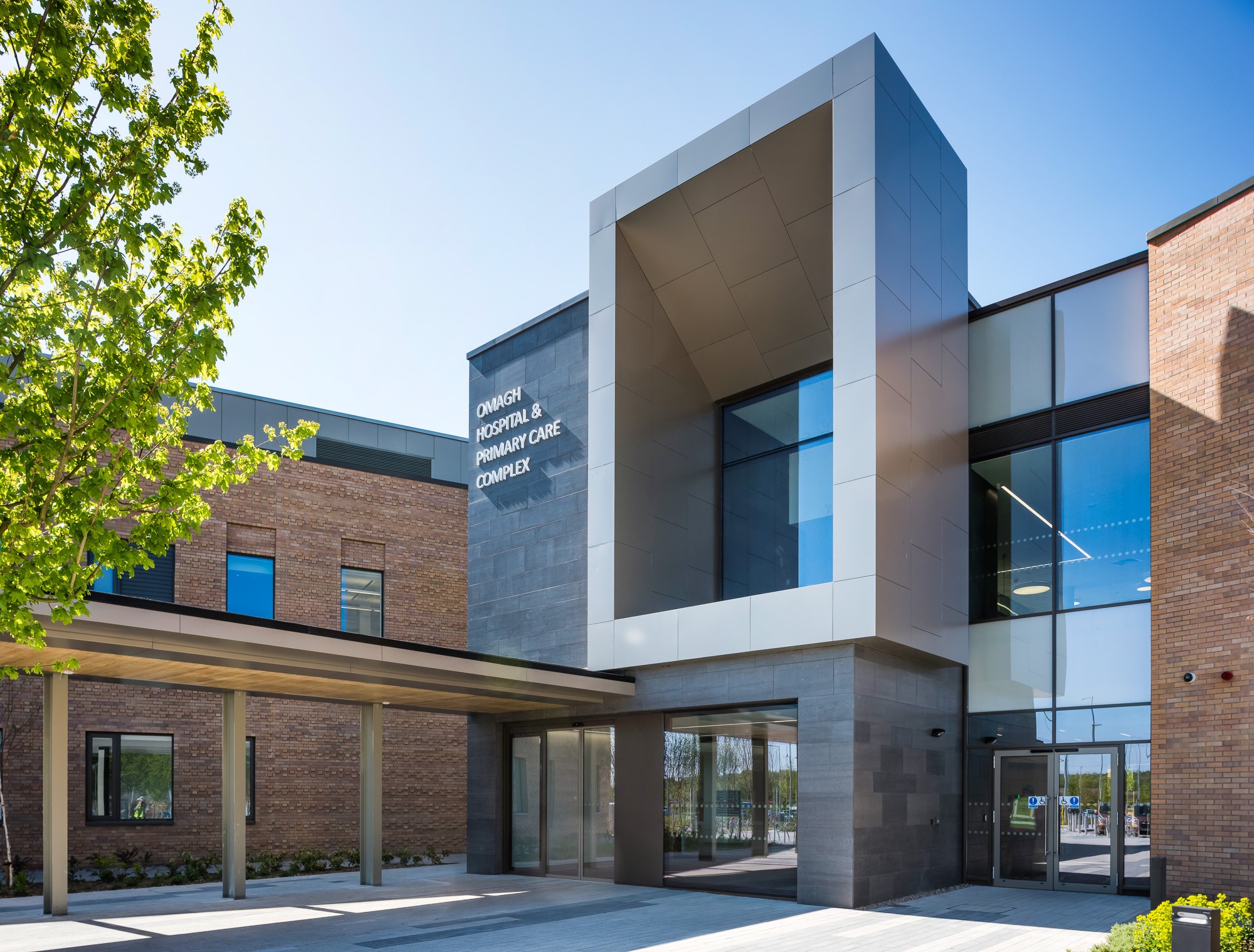
Stone is not limited to historic buildings. We supply stone for modern homes, extensions, and public spaces across Ireland and the UK. Architects use stone for clean finishes, durability, and low maintenance.
Stone works well alongside materials such as glass and timber, making it suitable for contemporary designs that value longevity and performance.
Caring for Stone to Support Sustainability
Good care helps the stone last even longer. Simple steps such as gentle cleaning, proper drainage, and routine inspections help protect stone surfaces.
Stone does not require harsh chemical cleaners. Mild methods are often enough, reducing chemical use and supporting sustainable care over time.
Why Working with an Experienced Supplier Matters
Not all stone is the same, and not all suppliers follow the same standards. Working with an experienced team helps avoid poor material choices and unnecessary waste.
At S McConnell and Sons, we guide clients throughout Ireland and the UK through stone selection based on location, use, and long-term performance. Clear advice leads to better outcomes and longer-lasting builds.
Our View on Sustainable Stone Building
From our many years working across Ireland and the UK, we believe stone remains a strong option when used with care. Its long life, low processing needs, and reuse potential support responsible construction.
So, is stone a sustainable material? In many cases, yes, especially when local sourcing, skilled workmanship, and thoughtful planning are part of the process.
Work with Us for Sustainable Stone Solutions
At S McConnell and Sons, we are proud to support sustainable building projects across Ireland and the UK. We focus on quality materials, responsible sourcing, and clear guidance for every project.
If you are planning a new build, restoration, or landscaping project and want expert advice, visit
https://www.smcconnellandsons.com/
to speak with our team and learn how natural stone can support your project with confidence and care.