
As specialists in natural stone since 1960, we here at S McConnell & Sons understand the importance and struggle of selecting the perfect stone type for your projects. Here are four essential factors to consider before making your choice:
1. Why Choose Natural Stone Instead of Other Materials?
First and foremost, before even thinking about what type of stone you need, it is important to remind yourself of the reasons natural stone is your best option for both aesthetics and practicalities.
Durability
If you are looking for a material that will pass the test of time, then stone is for you. Natural stone is renowned for its exceptional durability, making it a reliable choice for both indoor and outdoor applications, ensuring your project maintains its beauty for years to come. You must be aware that different stone types will have different durability, with types of granite being the most durable in comparison to types of sandstone being less durable.
Wide range of natural choices
Each type of natural stone possesses unique properties, from the striking veins within marble to the ageless elegance of granite. These properties allow architects to create truly bespoke designs that reflect the individuality of their vision. Properties not only affect the visual aspect of the stone, but it will also affect the strength of the material. If the stone is more porous, it will be more vulnerable to erosion. This is why it is important to seek expert advice when you are choosing stone for your project.
High-end Luxurious Material
Beyond its practical benefits, natural stone exudes an air of luxury and sophistication that elevates any project. Natural stone has been utilised as a material for centuries. It is clear to see how the ancient world used natural stone to build and decorate its buildings in historic cities across the planet. Whether it was used as flooring, cladding, or decorative features, stone adds a touch of elegance and refinement that is unmatched by other materials or man-made substitutes. This is why we love working with it!
2. How Can I Use Stone to Set My Design Apart from Others?
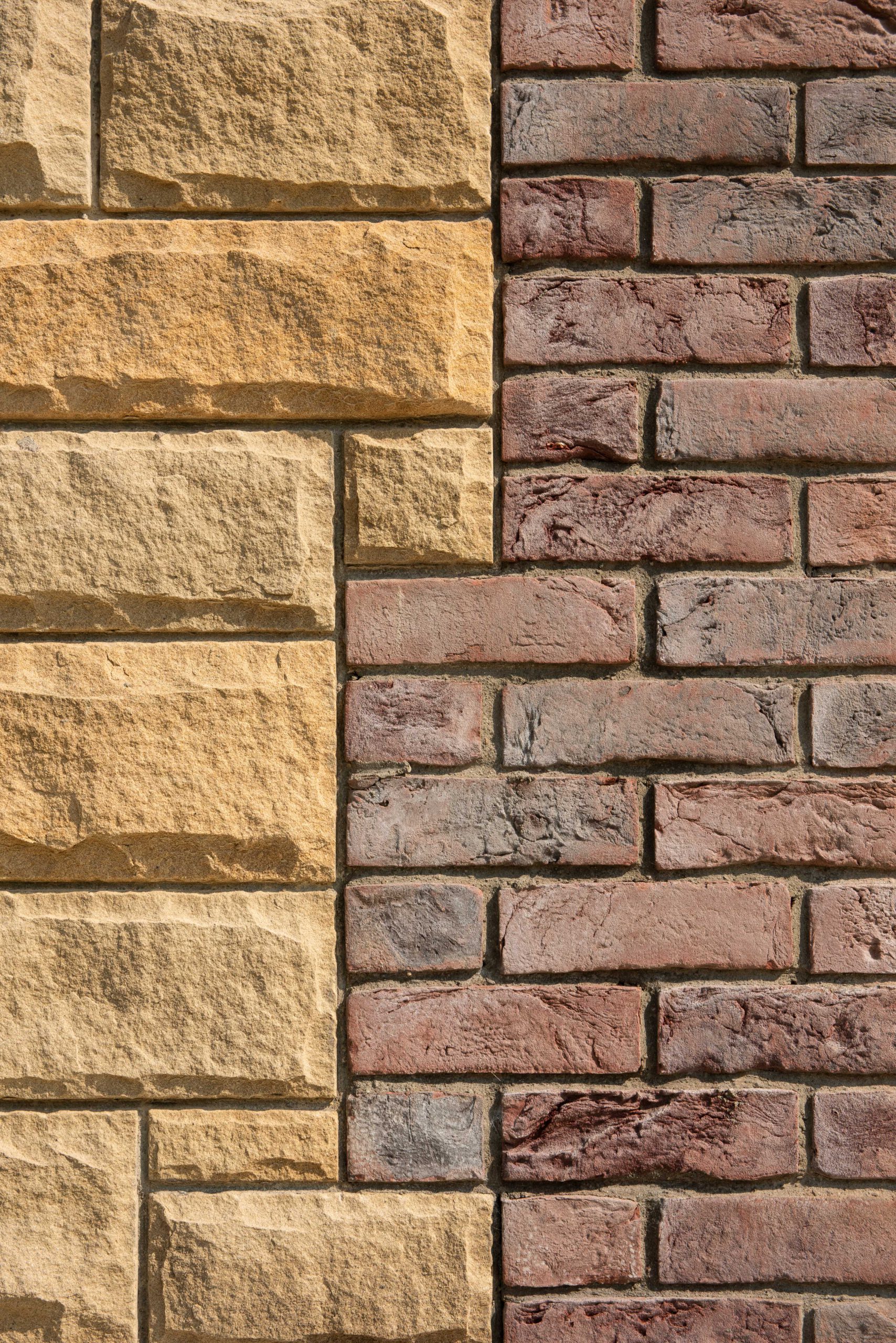
Exterior
Stone can be used in a variety of ways to set your design apart from others. From striking cladding and window surrounds to decorative landscaping features, the possibilities are endless. Stone’s versatility allows architects to create exterior spaces that are both visually stunning and durable.
Interior
We love working along with interior designers, stone can be used to create luxurious and inviting spaces for hotels, public buildings, private houses and more. Whether it’s high-polished marble floors, sleek stone worktops, or elegant interior cladding, natural stone adds a touch of timeless beauty to any interior design. With a wide range of stone types available, you can choose the perfect material to complement the colours and style of the building. When using natural stone for interior surfaces, erosion will be at a minimum which enables aesthetics to be the dominant deciding factor.
Endless opportunity
With countless types of stone available, there is a suitable solution for every project. Whether your project is near the sea, in a hot area, or exposed to the elements, there is a stone with the properties that will meet your needs. It’s essential to research different types of stone to ensure you choose the right type for your project. We, as a company, have seen the destructive results of decaying stone due to the incorrect stone type used. Decaying masonry forces the owner to replace and restore their masonry sooner than anticipated.
3. What Type of Stone Should I Use for My Project?
This is the question we are faced with on a regular basis. The stone type is ultimately decided by two main factors: the durability of the stone and the aesthetics of the stone.
The surrounding environment
Consider the ecoclimate in which the stone will be placed, as this will help determine the best stone for you. Outdoor and exposed areas will accelerate erosion, which would push you into the market for high durability options such as granite, limestone, or certain sandstones. There may also be outdoor projects where the stone has some protection from the elements, this will further widen the types of stone you can use, but it is still advised to choose a durable stone type for exterior uses. The consequences of a weak stone type used in the wrong place on any project can be brutal. If the wrong stone is chosen, it can lead to rapid erosion and ultimately force you to have the stone replaced after a few years. Whereas when the correct stone is selected, your project can and will last for many generations to come.
For interior applications, stone is usually selected based on colour and visual properties, ensuring it complements your surrounding design aesthetics. This opens most stone types for interior projects, but it is important to remember that the physical properties of the stone will still be a factor in the decision. For example, it would not be advised to use a stone with high porosity where it will be exposed to liquids or dirt, as it will absorb quickly than other stone types and can result in permanent staining.
Do’s and Don’ts
- Conduct thorough research to explore the countless types of stone available and find the perfect luxurious solution for your project.
- Always enquire with specialists before ordering.
- Avoid using weak stone in areas exposed to moisture or the elements.
- Try not to mix and match too many different stone types in a small area.
Budgeting
It goes without saying that stone is relatively expensive in most cases, and many will make use of cheaper man-made substitutes. But for us, we fully believe that the luxury, glamour and durability will only come with authentic natural stone from quarries across the world. There are different costs for different types of stone. Contact us to find your ideal solution for your budget and project requirements.
4. What Finish Should I Use for My Project?
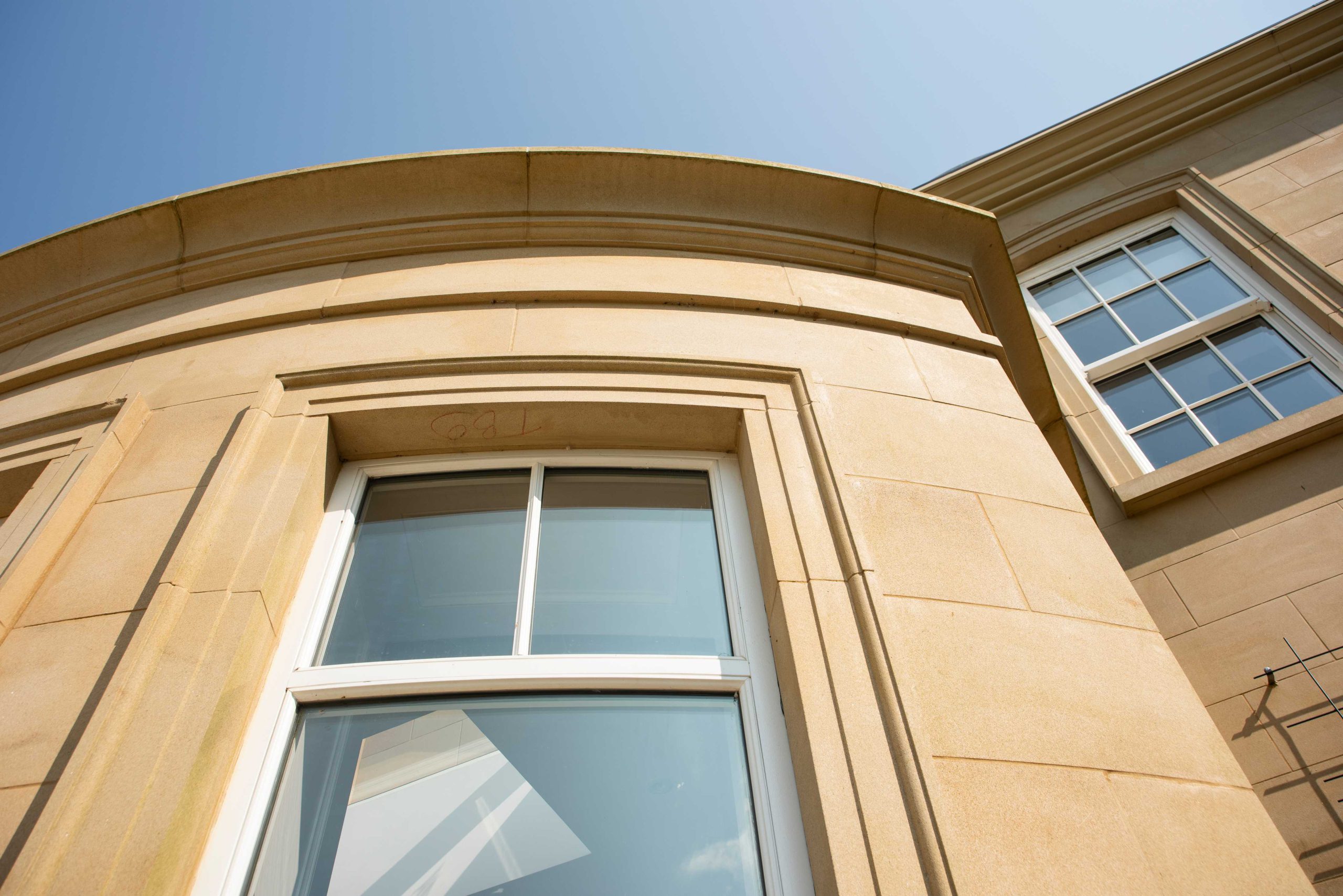
As with other natural materials, stone can have many different finishes applied to its surface. Unlike timber and other materials, where varnish, stains and paints are used, stone is finished by tooling different textures to the surface. When a finish is applied, it not only changes the aesthetic properties of the stone, but it will also change the surface properties.
Importance of a finish
When stone is cut, it is relatively smooth, and no matter the stone type, it is always relatively dull. This will suit some projects, but there are many other cases where the client may want other finishes. Some different finishes are high polished, honed, sandblasted, flamed and natural split. These finishes will affect the colour of the stone, where high polish will enhance the striking colours of the material, and other finishes such as sandblasting, will make the stone colours soft and blended. These two particular finishes not only have an aesthetic impact but also a physical impact. High-polished stone will not have a good slip resistance when wet, whereas sandblasting it will give the stone a rough finish and a higher slip resistance.
How to decide the finish
It is important to consider safety first, especially for stone pathing or floors. For wet and high-traffic areas, rough finishes like sandblasted or flamed are recommended for their slip-resistant properties. High-polish finishes are popular for interior decorative features, while honed finishes are often preferred for exterior cladding due to their modern matte appearance. If your project does not affect the safety of others, then the finish of your stone can be decided on aesthetics and how the stone will fit into your design.
What now?
If you want your project to stand out, choose natural stone. It has been a luxurious high-end building material for generations. With our experience and passion for creating elegant spaces, S McConnell & Sons is here to help you find the perfect stone for your architectural masterpiece. Contact us today and let us help bring your vision to life with the timeless beauty of natural stone.
